Senate Republicans Debate Leadership Future Following Midterm Election Losses
Senate Republicans are meeting to determine if Senator John Thune should remain party leader following significant losses in the recent midterm elections.
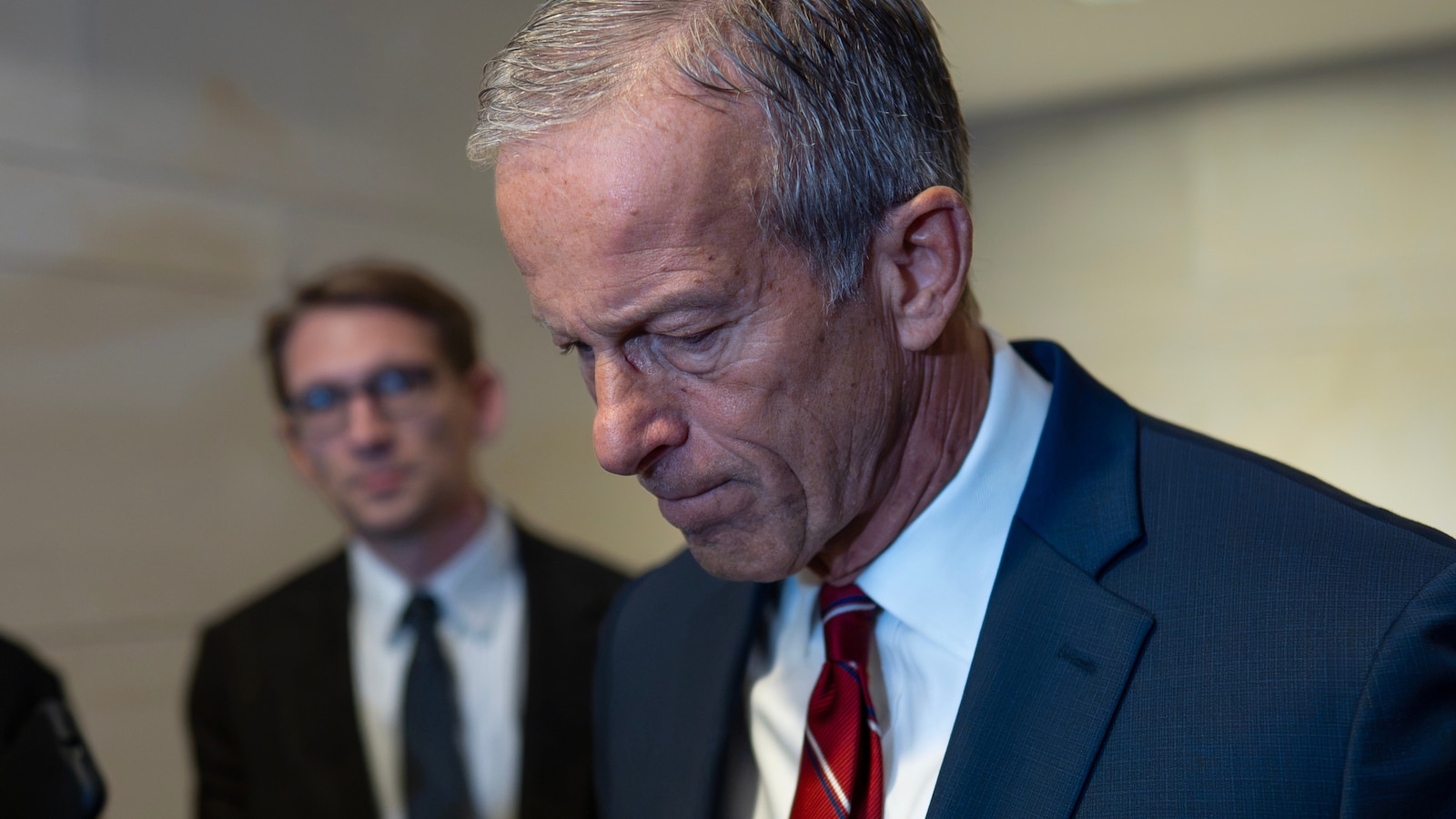 🇺🇸US Politics
Photo: ABC US Politics
Key points
- Senate Republicans meet to decide on leadership after losing their majority.
- Senator John Thune faces calls for a delay in the leadership vote from internal critics.
- The party is grappling with the political fallout of recent midterm election results.
Senate Republicans are scheduled to convene on Tuesday for a critical assessment of the party's direction following a midterm election cycle that resulted in the loss of at least seven seats. The closed-door session will serve as a forum for members to debate the future of the conference and decide whether to retain South Dakota Senator John Thune as their leader.
While Thune is currently running unopposed and maintains broad support among his colleagues, a faction of the caucus is pushing for a delay in the leadership vote. Senators including Ron Johnson of Wisconsin, Dave McCormick of Pennsylvania, and Mike Lee of Utah have argued that the party must engage in a thorough analysis of its electoral performance before confirming its leadership structure. Critics of an immediate vote suggest that moving forward prematurely ignores the magnitude of the recent defeat.
Thune, who assumed the leadership role in early 2025, has navigated a complex relationship with President Donald Trump while maintaining a more collaborative approach with the rank and file than his predecessor. Despite internal calls for a pause, Thune maintains that the leadership elections will proceed as planned, emphasizing that the final decision rests with the collective will of Republican senators.
The stakes
The outcome of this leadership vote will determine the strategic trajectory of the Republican minority as they prepare to navigate the next Congress. Retaining Thune signals a commitment to institutional continuity, while a successful push for delay would indicate a deeper internal fracture and a potential shift toward a more aggressive, populist-aligned leadership style.
Two readings
- Supporters view Thune as a steady, consensus-building leader capable of managing a diverse caucus and maintaining necessary communication with the White House.
- Critics argue that the party's electoral losses necessitate a comprehensive ideological and structural reset, claiming that a swift leadership confirmation avoids accountability for recent failures.
Source ABC US Politics — abcnews.com/Politics/wireStory/john-thune-seeks-term-senate-republican-… ↗
Read next
 ✒️Opinion & Analysis
ICJ Rules Myanmar Military Committed Genocide Against Rohingya
The International Court of Justice has found Myanmar's military guilty of genocide against the Rohingya, a ruling that damages the international standing of both Aung San…
 🕯️Democracy & Rights
Chinese teachers face rising parental pressure over personal life choices
Chinese educators are encountering a surge in unreasonable demands from parents, including complaints regarding teachers' pregnancy and maternity leave.
 🛡️War & Security
Ukraine Restricts Media Coverage of Infrastructure Damage Amid Russian Strikes
President Volodymyr Zelenskyy has issued a decree prohibiting media outlets from reporting on the impact of Russian strikes against critical infrastructure and the status…
 🏮China & Taiwan
Beijing Reaffirms Reunification Stance Following Taiwan Local Election Results
China’s Taiwan Affairs Office declared that the island’s reunification with the mainland remains inevitable, despite recent shifts in Taiwan's local political landscape.
 🇪🇺Europe
US Air Force Repels Unauthorized Drone Incursion at RAF Lakenheath
U.S. security forces at a British air base successfully countered a group of unidentified drones, amid growing concerns over potential foreign state involvement.
 ⚖️Law & Policy
India Government Proposes 50% Increase in Parliamentary Seats and Women's Reservation
The Indian government plans to introduce legislation to expand the Lok Sabha to 850 seats and mandate a 33% reservation for women in legislative bodies.